
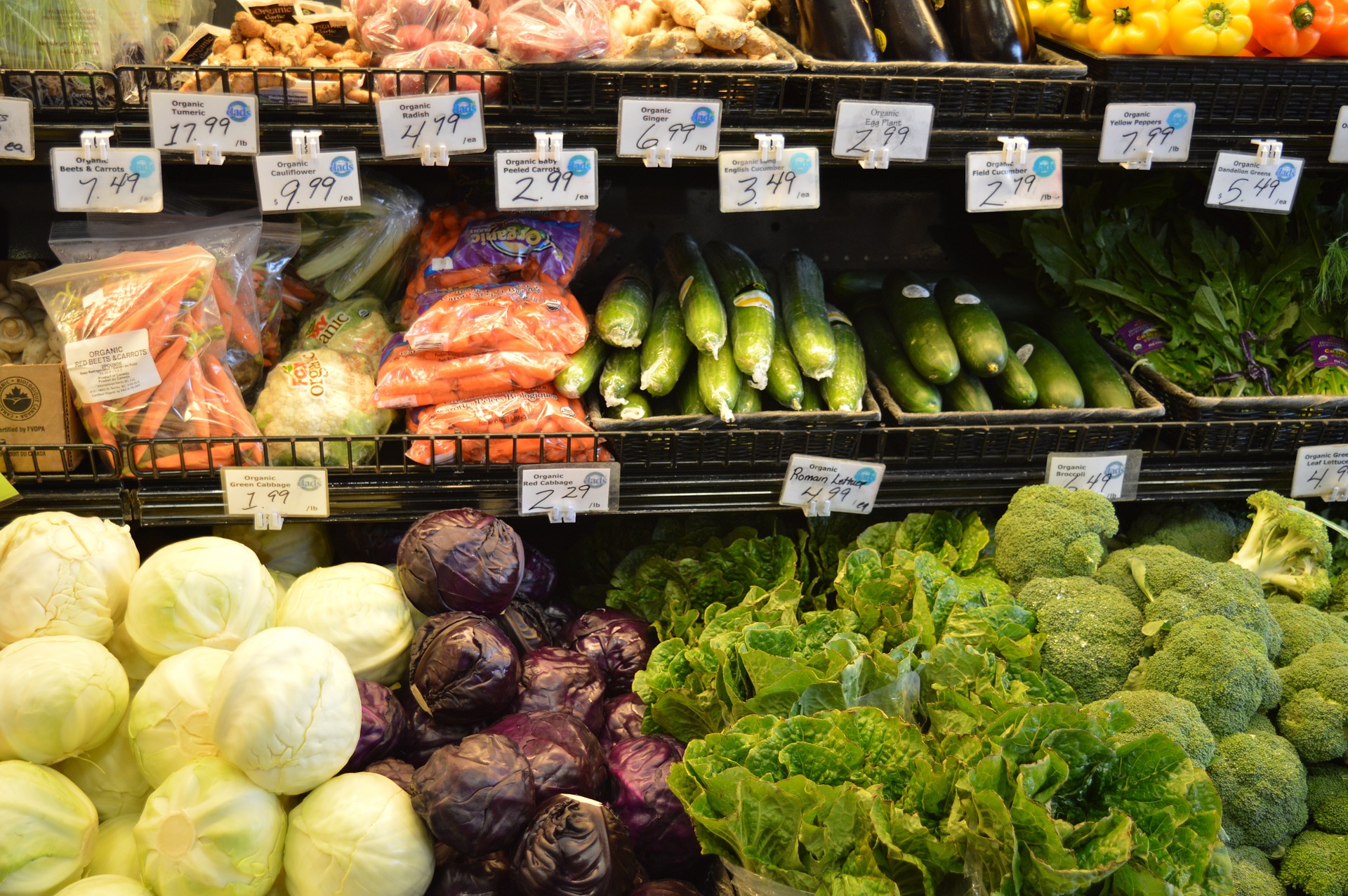
 Sales of organic food have grown considerably since 1990 when the Organic Food Production Act was signed into law. That law authorized the U.S. Department of Agriculture’s National Organic Program. One of the many responsibilities of this program is to develop standards for organically-produced agricultural products that have the USDA organic seal, ensuring that products meet consistent, uniform standards. These standards, along with the USDA organic seal, were first implemented in 2002. The program also maintains a list of certified organic operations and helps farmers and businesses learn how to get certified. In 2017 there were more than 24,000 certified organic operations in the United States. Between 1990 and 2002 sales of organic food products increased nearly 9-fold, from $1 billion in 1990 to $8.6 billion in 2002. In 2017, sales were more than $45 billion.
While still a small portion of overall food sales, organic food sales growth has outpaced overall food sales growth in each of the last ten years. Sales of organic food grew 17.5% in 2008, the highest growth in the last decade. That same year overall food sales grew 4.9%. In 2008, organic food sales made up 3.1% of all food sales in the country. By 2017, organic food sales grew to 5.5% of total food sales. Growth in the organic food sector that year slowed to 6.4%, but it was still well above the 1.1% growth in the overall food sector.
Fruits and vegetables were the largest organic food category in 2017, with sales of $16.5 billion, followed by dairy and eggs. However, the dairy and egg sector faced competition from the growing popularity of non-dairy milk alternatives and the USDA’s withdrawing of regulations in the Organic Livestock and Poultry Practices rule in 2017, which caused many consumers to question the meaning of the USDA seal on these products, reduced demand. Growth in organic beverage sales outpaced overall organic food sales growth by 64% in 2017. Sales of organic fresh juices alone jumped 25%, reaching $1.2 billion or slightly more than one-fifth of total organic beverage sales that year.
Today’s market size shows the total sales of organic food for the years 2008 and 2017. According to a study conducted by Nielsen, 82% of households in the lower 48 states regularly bought organic food in 2017. This is up considerably from just 3 years earlier when a Gallup poll reported that 45% of households actively try to include organic foods in their diet.
Geographic reference: United States
Year: 2008 and 2017
Market size: $20.4 billion and $45.2 billion respectively.
Sources: Maggie McNeil, “Maturing U.S. Organic Sector Sees Steady Growth of 6.4 Percent in 2017,” Organic Trade Association Press Release, May 18, 2018 available online here; “National Organic Program,” United States Department of Agriculture, Agriculture Marketing Service avalable online here; Nate Birt, “Study: 82% of U.S. Households Buy Organic Food Regularly,” AgWEb, March 24, 2017 available online here; Rebecca Riffkin, “Forty-Five Percent of Americans Seek Out Organic Foods,” Gallup, August 7, 2014 available online here; Laura Batcha, “Organic Farming Has So Many Benefits for People,” Lansing State Journal, July 22, 2018, page 9A.
Image source: ErikaWittlieb, “vegetables-supermarket-market-food-1100198,” Pixabay, December 22, 2015 available online here. Use of image does not constitute endorsement of supermarket shown.




 What’s old is new again. This can be said for leggings, the current and sometimes controversial fashion trend. Leggings, in some form, have been around for centuries. Originally leggings referred to leg coverings of various sorts, not necessarily pants. In the past, some Native Americans wore leggings that looked like high-top moccasins or boots. They were made out of deer, elk, and other game animals. This clothing protected the legs and ankles from plants and animals. It also served to cover women’s ankles for proper etiquette at the time.
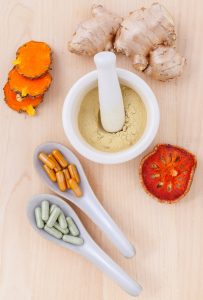 According to recent research, more than 60% of the 1.8 billion Muslims around the world consume nutraceuticals in some form daily.1 Nutraceuticals are products that provide health benefits in addition to their nutritional value. They are thought to improve overall health, delay the aging process, prevent chronic diseases and increase life expectancy. They can be in the form of fortified foods and beverages or dietary supplements. In 2016 the global nutraceutical market was valued at nearly $200 billion. Not all nutraceuticals are halal, however.
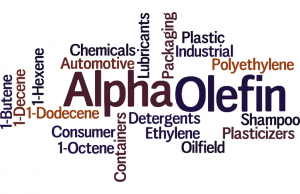 Alpha olefins are organic compounds created by the processing of ethylene, a flammable hydrocarbon gas that occurs in natural gas, coal gas, and crude oil. It’s also a gas given off by ripening fruit. There are two types of alpha olefins: branched and linear. Linear alpha olefins, such as 1-butene, 1-hexene, 1-octene, and 1-decene, are created industrially by one of two processes: the oligomerization of ethylene or Fischer-Tropsch synthesis followed by purification. Three manufacturers’ processes have dominated alpha olefin processing: Chevron Phillips Chemical (CPChem), Ethyl (owned by INEOS) and Shell.
  As a percentage of total retail sales in the country, Pakistan’s e-commerce market is quite small, 0.34%, but is expected to grow as adoption of technology becomes more widespread. As of January 2018, there were 52 million subscribers to broadband internet, up from 44.5 million a year before. The number of online payment merchants increased nearly 60% during this time period, from 571 to 905. Banks are starting to allow debit and credit cards to be used for online purchases. However, fewer people have bank accounts than have broadband internet. And, fewer still—21.1 million— have either a debit or a credit card. Currently, 4 out of 5 online orders are cash on delivery. Several online payment gateways allow nearly every Pakistani to pay for their online purchases with cash.
  Sales in India’s overall retail sector totaled Rs 49 trillion during the 2017 fiscal year.1 Small to medium-sized independent businesses and mom-and-pop type stores make up the greatest share of this market, with chain stores, franchises, and large stand-alone stores making up a mere 7%. The e-commerce sector has an even smaller share, 1.5%, despite its share tripling in the three years prior. Currently, three-quarters of total e-commerce sales come from major cities in India.
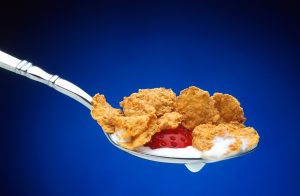 Fortified foods, such as iodized salt and vitamin-D fortified milk, originally addressed nutrient deficiencies in the general public. Some countries currently mandate the addition of folic acid to enriched flour to reduce the risk of neural tube birth defects. Most food fortification is voluntary but regulated by government entities in countries where the food is sold along with the European Food Safety Authority and the World Health Organization. The United States, for example, does not allow the fortification of fresh produce, meat, poultry or fish products. European countries do not allow fortification of unprocessed foods. Fortification of snack foods is also discouraged.
 LEDs, or light-emitting diodes, produce light when current is run through semiconductor materials. In order for this to happen, LEDs need drivers to convert higher voltage, alternating current to lower voltage, direct current. LED drivers control the voltage and current flowing through the circuit at rated levels, protecting the LEDs from voltage and current fluctuations that can damage the LEDs.
  Motorsports describes a group of competitive sporting events in which motorized vehicles are used. Automobiles, motorcycles, boats and snowmobiles are some of the vehicles used in these types of competitions. Not all are racing competitions, however.
  The earliest recorded distilling of Scotch whisky was in 1494, by a monk named Friar John Cor, but the drink back then was not like the Scotch of today. It was considerably more potent and in some cases dangerous to drink. The quality improved in the 16th and 17th centuries as scientific knowledge and distilling equipment improved. Early on the distilling of Scotch took place in monasteries. After the monks were forced to leave, they employed their skills in the wider society and knowledge of the distilling process spread.
 Have you listened to music today? If you have you probably streamed it. In 2017, total U.S. music industry revenue was $8.7 billion, 65% of which came from streaming music services. Revenues from streaming services increased 217% from 2014 to 2017. The number of subscribers to paid streaming music services increased 358% during this time period, topping out at 35.3 million in 2017. Despite revenue and number of subscribers increasing, streaming music services are losing between $27 million and $426 million per year. How are musicians faring? On average, the top streaming services pay between $0.019 and $0.0007 per play in 2018. As a result, musicians need their songs streamed between 77,500 and 2.1 million times per month, depending on platform, in order to make a minimum wage.1
 Did you buy a new TV to watch March Madness? Purchase the latest mobile phone or tablet? Have you bought a new home? If you have, you were probably offered an extended warranty on your purchases.
 What do people think of our product? How successful was our last marketing campaign? Not that long ago if businesses wanted to know the answer to these questions they would have to hire market research firms that would poll select customers about their thoughts. With the widespread use of social media and improved natural language processing and machine learning algorithms, social media analytics tools can provide a more comprehensive picture of how consumers feel about companies and their products.

.jpg)